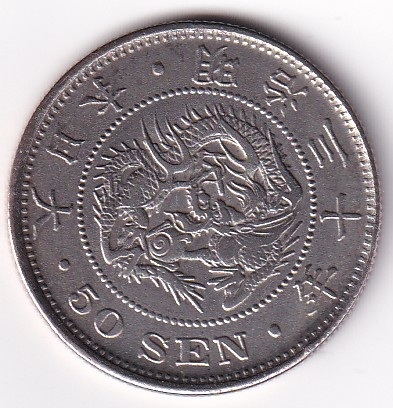
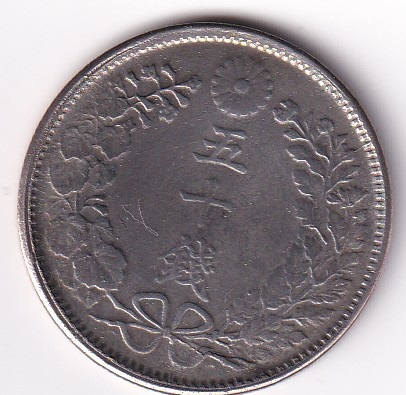
The Meiji era, also known as the Meiji period, refers to a period in Japan’s history that spanned from 1868 to 1912. This era was named after Emperor Meiji, who reigned over Japan during this time. The Meiji era was characterized by fundamental changes in Japan’s political, social, and economic structure.
During this period, the shogunate and feudal government came to an end, signifying the restoration of imperial authority under Emperor Meiji. Japan embarked on a process of modernization and Westernization, adopting elements of Western culture, technology, industry, and governance.